This month’s Dystopian Book Club selection is Sherri Tepper’s 1988 post-apocalyptic novel The Gate to Women’s Country. Set three hundred years after a nuclear war, it describes a society where city-states are run by women, with male warriors living in garrisons outside the towns. I can’t make the session, so I’m sharing my notes here.
The book was a good counterpoint to one of the group’s previous reads, Demonic Males, a study of male violence through primatology. That book made the point that societal structures can improve or worsen violence. Tepper’s book set out, somewhat heavy-handedly, to describe a scheme for reforming society.
Tepper’s writing feels clumsy and unsophisticated in places, which makes the novel feel didactic. We’re essentially given a tour of Marthatown through the eyes of Stavia, with incidents through her lifetime. The weak plot and characterisation make the book feel more like a debating point than a story, with far too much exposition. There are also some troubling scenes featuring sexual assaults which I suspect would be very different were Tepper writing today.
The most interesting aspect of the book was the play that is excerpted throughout, Iphigenia at Ilium. This is described in places as a ‘comedy’, despite the script itself being grim, which produces an interesting irony. My knowledge of the classics is flawed, so I didn’t appreciate the reference to Euripedes’ The Trojan Women, but this worked well despite that.
There’s an interesting question as to whether Tepper (or, more fairly, the book itself) considers Women’s Country as a good thing or not. The deceptions at the heart of Women’s Country are ultimately the place’s greatest problem. To a contemporary reader, the book’s focus on biological essentialism and eugenics feels vile – including a notorious paragraph explaining how homosexuality has been eradicated in this new world. I didn’t feel the book was ironic enough to be condemning Women’s Country as strongly as it deserved.
For me, the most troubling aspect was the idea that the women would gladly pass their sons into an all-male society that was inherently unsafe and brutalising. Tepper is trying to deal with essential problems – how male-led militaries threaten to lead the world to ruin – but ultimately the book has no answers and misses the chance to ask the right questions.
After a bumpy summer, I started settling things down in September. It didn’t go perfectly, but I made progress. I did more fun things – which, for me, is basically anything that doesn’t require much planning or preparation. I went to the Sutton Bonnington show, did some hiking with Mr Spratt, visited Leeds Zine Fair, and spent a good day bimbling around Todmorden with a friend.
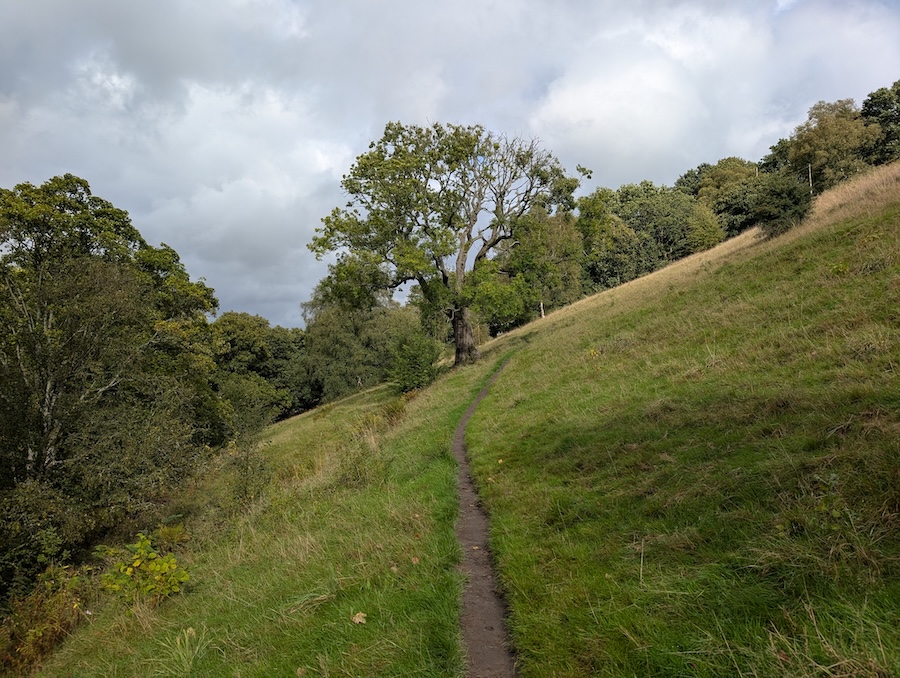
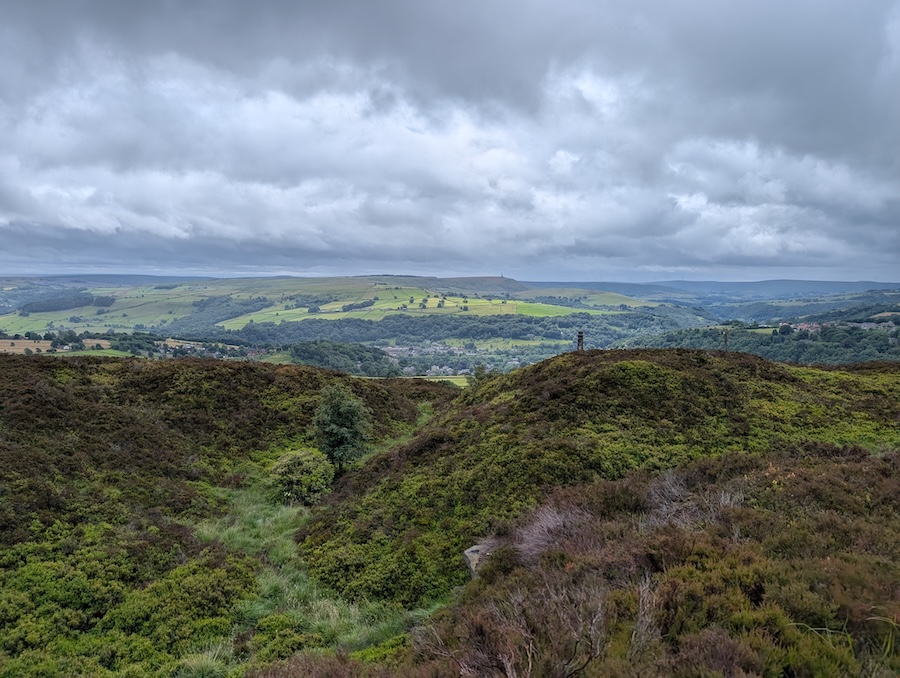
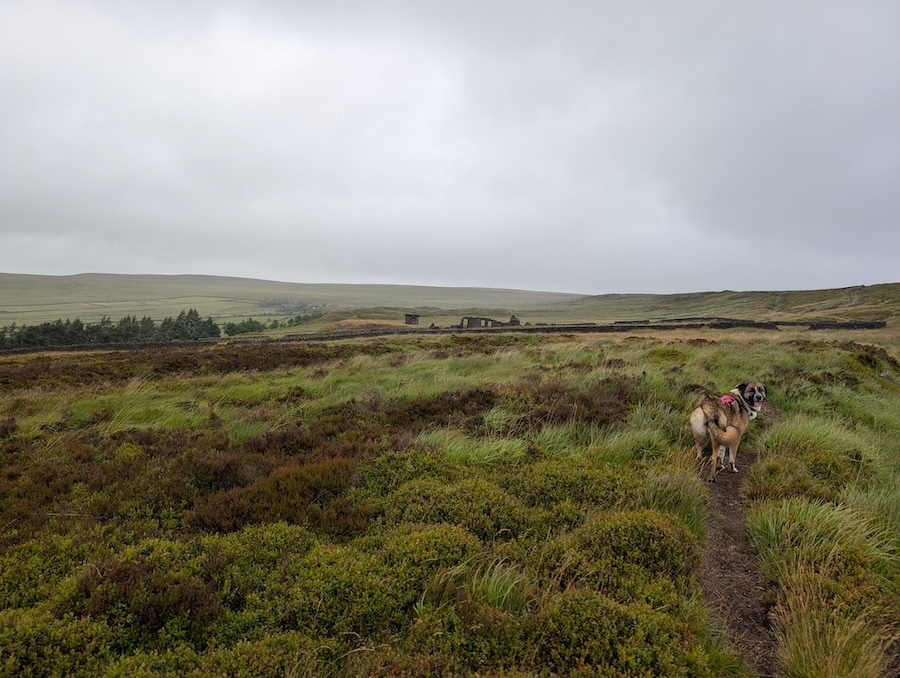
A big highlight of the month was that visit from Mr Spratt to walk a section of the Calderdale Way. The walk felt harder than it should have been, but it was good to do a decent hike (my first of the year!) We went from Ripponden to Heptonstall – familiar territory but I found some new paths.
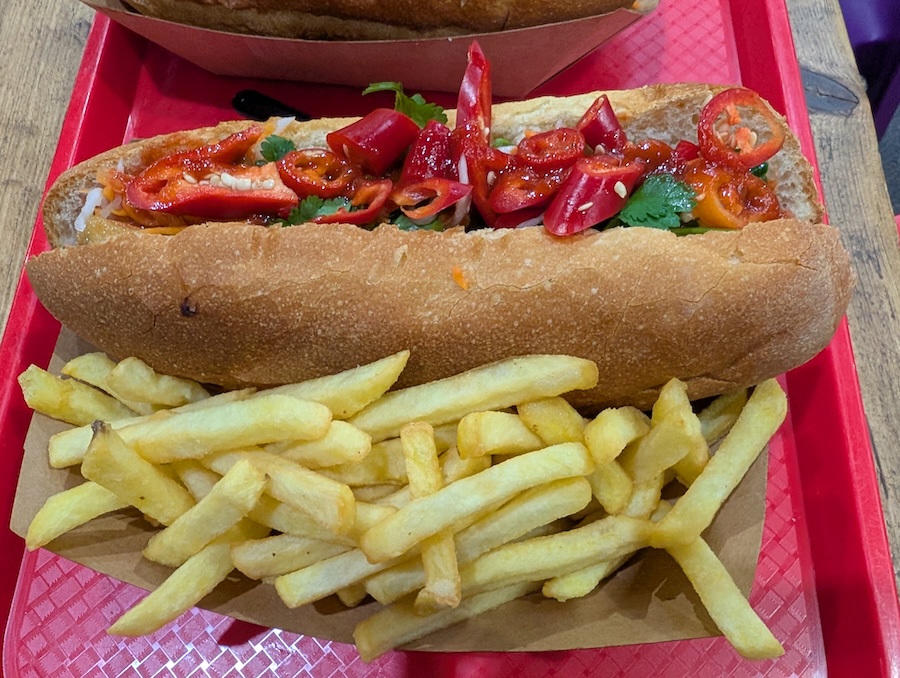
Bánh mì!
It was another bad month with my weight – another pound slipped on, meaning I’m about 5 pounds heavier than this time last year. Work and sleep schedules meant very few gym sessions, so I’ve put the daily steps from 6,000 back to 10,000 for October. I also need to be sleeping much better than I am.
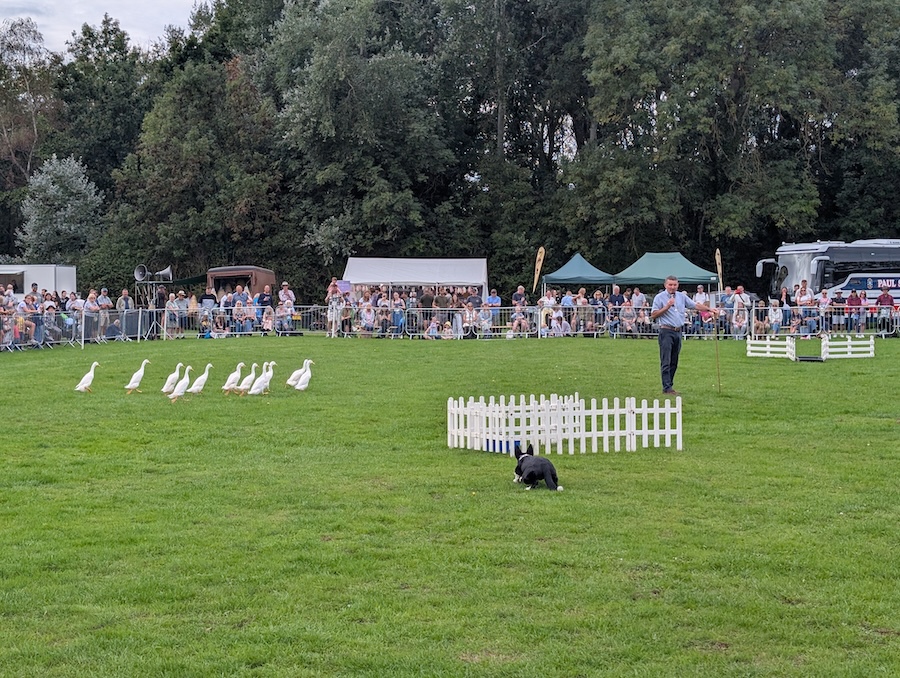
The Quack Pack at Sutton Bonnington show
.For various reasons, I’ve been cooking low-FODMAP dishes at home. This involves cutting out various things including onions and garlic – both of which I rely on for my cooking. I’ve struggled with this and decided to ask an LLM what cuisines I could cook without adulteration. It suggested Japanese which turned out to be good advice, and I’ve been getting back into cooking.
Writing was slow in September. I had a few big projects to work on, and neglected the mailing list. The Advent Calendar took a lot of time. Several stories were dropped from this for being too dark, but I finally have a set that I’m happy with. I’ve also been making preparations for a November 1st workshop on microfiction. I attended Bryony Good’s Mycelia writing workshop which generated some interesting ideas – I just need time to finish them.
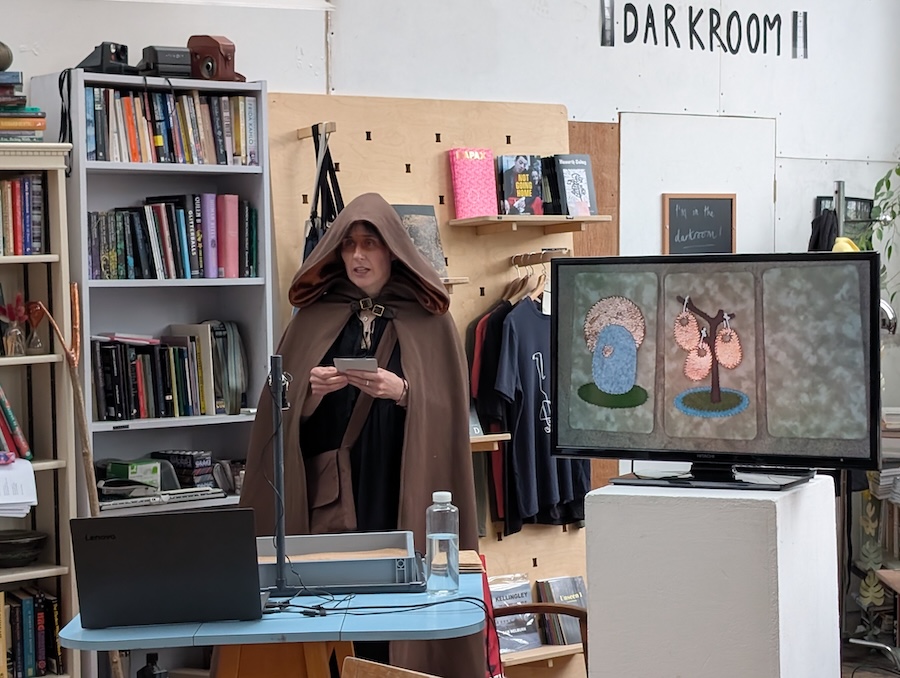
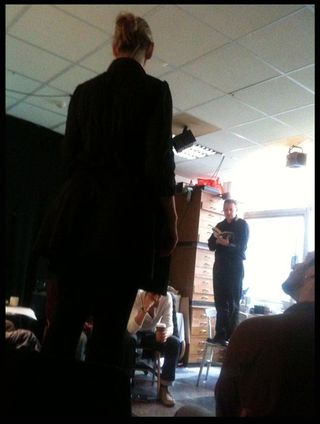
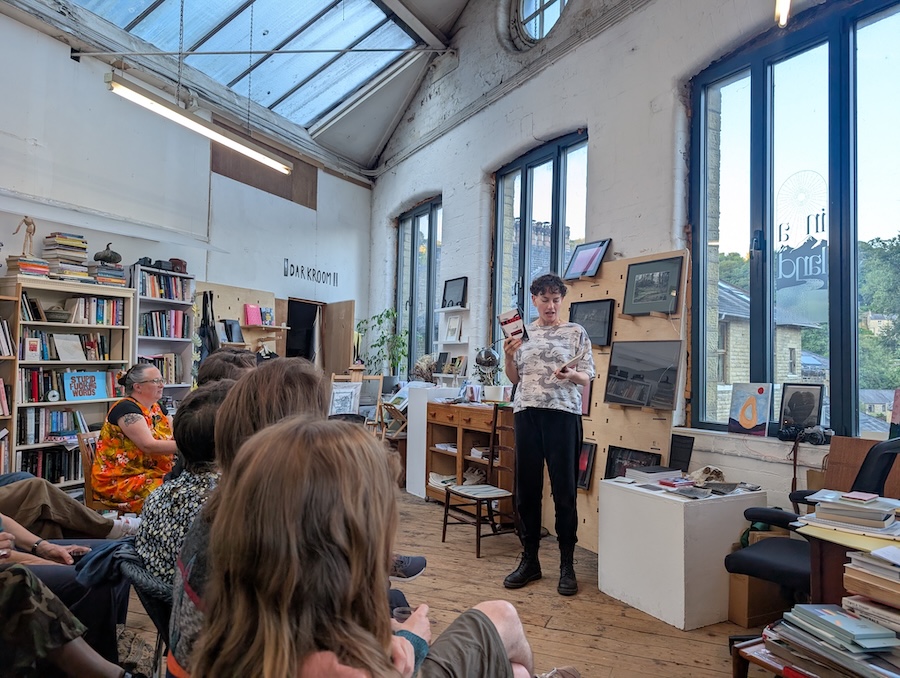
Performance by Laura M R Harrison
We had our six-monthly assessment sessions at work, which took a lot of preparation. Now they’re over, I’m focusing on client work for a while. While I have been worn out, I’m still enjoying my job, and actively look forward to seeing colleagues. I spent a lot of my life resenting work, so this has been a positive change.
I only watched four movies in September and didn’t make it to the cinema at all. I read several books including Ian McEwan’s What Can We Know and Emily St John Mandell’s new novel, Exit Party. Will Maclean’s Solace House was a fun read. It was chosen as part of the Drawing Blood book club at In A Land, and I’ve reviewed it here as I couldn’t make the. session. Probably my favourite book of the month was Janine Warren’s indie music oral history The World Was a Mess But His Hair Was Perfect.
Rosy and I watched the first season of The Rehearsal. I’d read about Fielder for a while, but was pushed to actually watch the show by an Adrian Hon essay. Excellent television.
One of the great things about book clubs is reading things you wouldn’t normally pick up. Sometimes, they don’t work for you and this is a Good Thing. While I didn’t love Midnight Timetable, I don’t think it’s a bad book, just not one for me. I’m glad I tried it.
I’ll be brief about the things I didn’t like. The first couple of stories felt unengaging and a little obvious, particularly given Chung’s slight characterisation. The book identified characters by role rather than name, which I found alienating. Chung writes with telegraphic brevity. An example: “She took her to the most popular shopping mall in the city. Chatting endlessly, they ate snacks together and looked at all the clothes and appliances.” There’s a lack of detail here, a smoothness, that doesn’t work for me.
The horror elements were not as strong as I’d hoped and for much of the book it felt like a diluted SCP Foundation. I love this trope, which echoes the ending of Raiders of the Lost Ark – the feeling that countless hidden stories that could be told. The early stories did little to build on these predecessors but then came the last chapter, Sunning Day. It took a new approach to the concept that I hadn’t expected and it was beautifully written. I felt this should have been the first chapter, with the book starting from there.
A few set-pieces work brilliantly and there are some interesting insights into Korean life. Some words are untranslated, which adds to the feeling of immersion – it’s easy to google a word like ‘goshiwon’. I also loved the afterword, where Chung suggests writing ghost stories as a playful way to dodge writer’s block.
I feel like I’ve been harsh on this book. I read a lot of horror, so I’m comparing Midnight Timetable to books like There is No Anti-Memetics Division. I suspect many people will enjoy it more than I did. I’d probably pick up another Bora Chung book in future.
This workshop is in the spirit of the five Brighton Creative Writing Sessions workshops that I ran with Ellen de Vries. I’m amazed to see that these workshops were back in 2010 – but I’ve not seen anyone since doing the sorts of events that we were running.
microfictions will be a relatively straightforward workshop, but I’m very much inspired by my collaborations with Ellen. Yesterday, I ran some field tests for my writing exercises. I tried several things I thought were too far-fetched, but they all went perfectly. I’m now more excited than ever about the workshop. (Thanks to Clara, Peter and Gina for helping out).
It’s important to me that the event is not gimmicky. I have a lot of thoughts about microfiction to share, and I want people to come out of the workshop with stories they can develop. Above all, I want people to have an enjoyable and social experience.
I’m planning to do a lot more workshops in 2027. I’ve one booked in for late November on ‘Lying for Writers’, and I’m speaking to Lou Ice about doing something spectacular in Sweden. If you want me to run an in-person workshop for your writing group, please get in touch.
On Saturday, In a Land are holding the first session of their book club, Sweating Blood. I can’t go because I’m hiking that day, but I read their first choice of book, Solace House, and here are my thoughts.
At the end of the university year, Alex doesn’t move out of his halls of residence. In response, the university offers him a job working with some other students to clear an old hospital. Alex joins a varied cast of characters who are then reassigned to clearing Solace House, a mansion that has been entirely filled with trash. Everyone is aware that there’s something wrong with this place.
In a recent Xanaduum newsletter, Grant Morrison described Solace House as “another of those things I stumble across more often these days where the writer appears to have been reading me and Alan Moore when he was younger”. And there are definitely a lot of tropes that I love from graphic novels – it reminded me in particular of Gideon Falls. The publishers compared it to The Secret History, which was a poor comparison – the only resonance was that both books are set at universities.
Solace House absorbs a lot of influences without being distorted by them – there is cosmic horror, gnosticism, labyrinths and fairyland. Julian Jaynes’ bicameral theory makes an appearance. There are hints at the Mandela effect, as something seems fundamentally misaligned with the book’s universe.
It’s strange reading books set in the 90s, as my memories of the time often clash with the writing. For example, there are phrases that I think were not common at the time (would we really have talked about dopamine then?). And I can’t see Bill Hicks being a cultural touchstone beyond a small group of aficionados – almost nobody had heard of him back then. Quibbles aside (would a student recognise a font as Antiqua Double?), this is a good book.
Solace House finds various ways to build dread, including the use of metafiction to undermine the characters’ grip on reality. The strangeness of their location suggests that they might have entered a story – that lost phone, ringing somewhere in a cluttered house, is almost too perfect. They know that their experiences are like a story – at one point, someone says “‘I believe it was Anton Chekhov who said that if you introduce a shedload of hallucinogenic mushrooms in Act One, you have to do them all by the end of Act Three at the latest.’”
The sense of unreality is used brilliantly when Alex makes a trip to a supermarket. The items he sees are described in the same poetic listings as used for the house: “Earth’s dwindling, irreplaceable rainforests and wild places, one way or another, packed up into cans and packets.”
This was entertaining and genuinely creepy at times – I made my way through it in a couple of days. There was a great running joke about literary orphans and an interesting puzzle. While not all of this worked for me, I was definitely entertained.
August started in the ruins of July and never really recovered from that. Still, the house has been busy and that’s been lovely. Several people stayed while working on an exhibition at In a Land. We also had Rosy’s friend and her 15-month old daughter staying for the month along with a visit from Dan Sumption.
The biggest change this month was moving to a new client at work. I’m travelling to Leeds twice a week, but that’s a much easier journey than previously. It’s amazing how different things felt when I finished that last role – all my cravings for bad food turned down straight away.
This lack of cravings has not helped with my weight though. Over the course of August, I put on an incredible 2½ pounds. My diet has been better (helped by cooking real food for our guests), so I’m not sure what’s been going wrong. The warnings are there though: I am getting fat. I am slowly working through belt notches. My clothes are shrinking.
I read ten books in August. I’ve been re-reading the Dark Tower series alongside the Talking Scared podcast. The most recent installment, Wolves of the Calla, was a slow epic. Annie Jacobsen’s Biological War: A Scenario was even more terrifying than her previous book on nuclear war (see my blog post). The new Jon Ronson was entertaining but didn’t really go anywhere. Dystopian book club choice Demonic Males was a depressing look at male violence through primatology. Algospeak was a great book about how the online world affects language. Matt Wixey’s Basilisk was an entertaining pulp novel. While it’s been a long time since I’ve spoken to the writer (and don’t much plan to), Ghosts of the Medicine Show was an excellent and inspiring book, and deserves a post of its own. I also read the alpha draft of Cat Vincent’s forthcoming book.
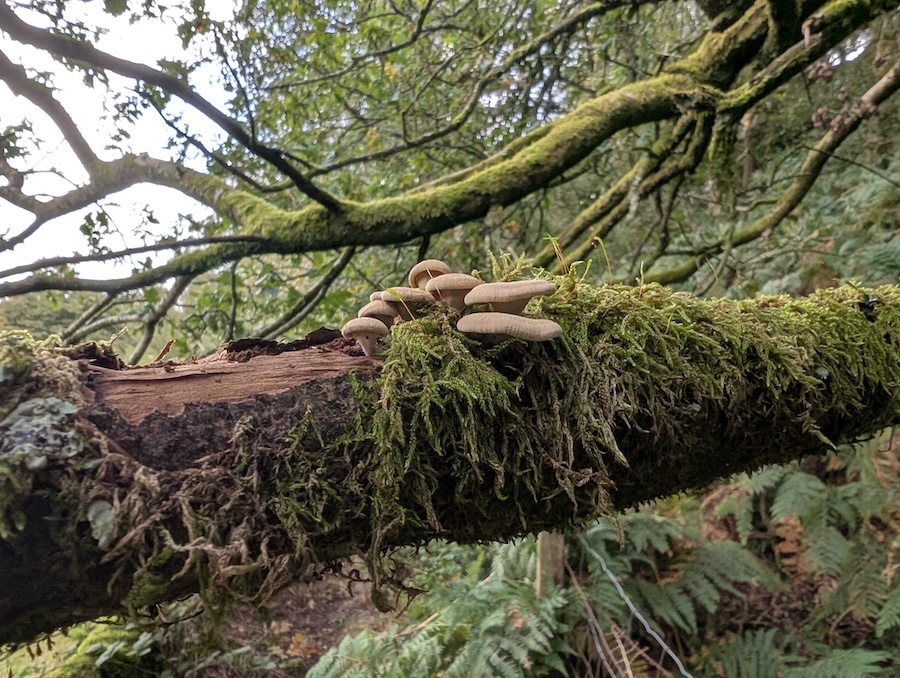
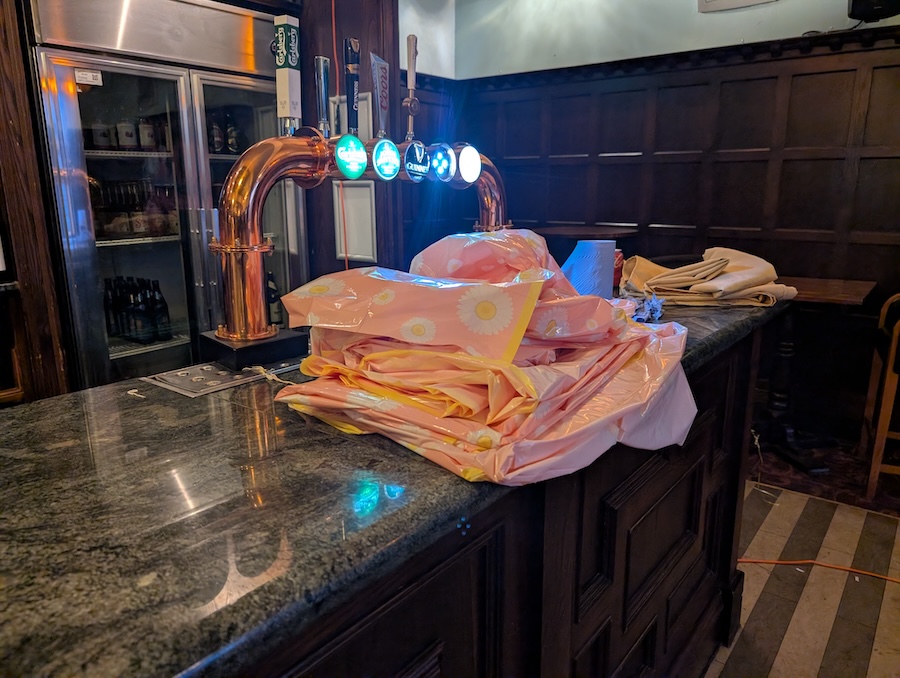
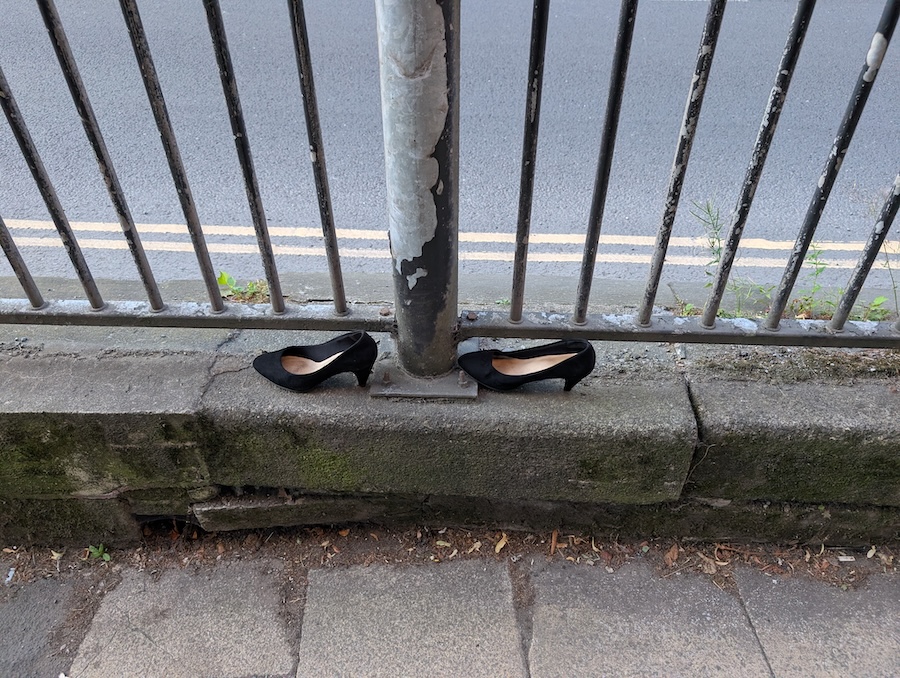
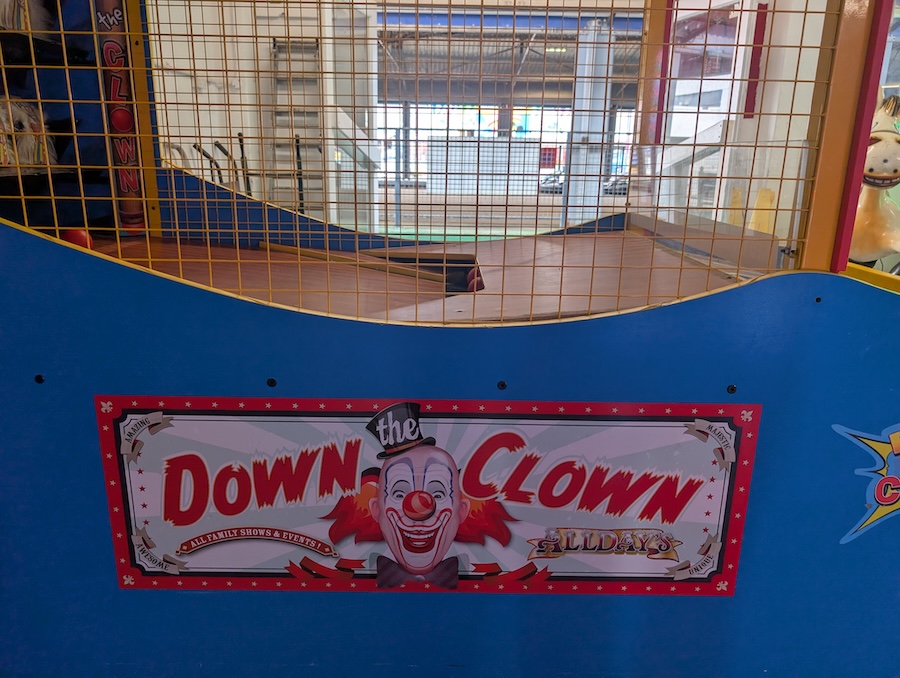
For a moment, it looked to me as if someone had skinned Mr Blobby.
I missed a couple of blockbusters at the cinema due to having guests, which is OK. We rewatched a few things at home including both 28 Years Later films and Fury Road. Ben Wheatley’s Bulk was frustrating at times, but ultimately inspiring. The cinema highlight was a double bill of I Saw the TV Glow with Jane Schoenbrun’s new film Teenage Sex and Death at Camp Miasma. The latter was a great film which I’m desperate to see again while it’s on.
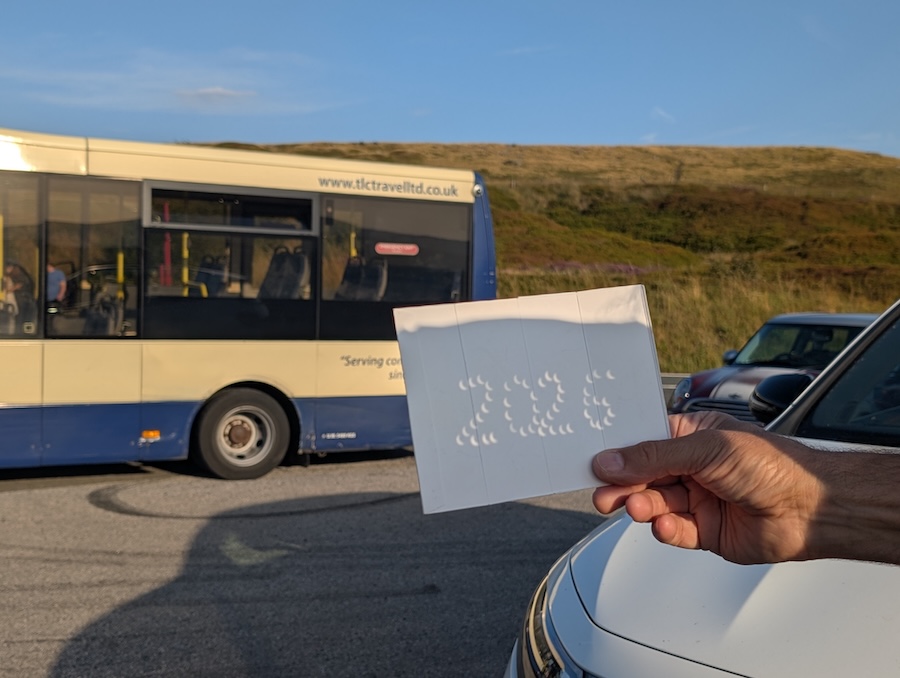
I’m not convinced by eclipses – give me a good sunset, anytime. But there’s something magical about people gathering for an event, and knowing the last time that it will happen in the UK will be 2090. I’d been planning to ignore the eclipse, but my friend Jen encouraged me to head out onto the moors and I’m glad I did.
I put on a poetry night!
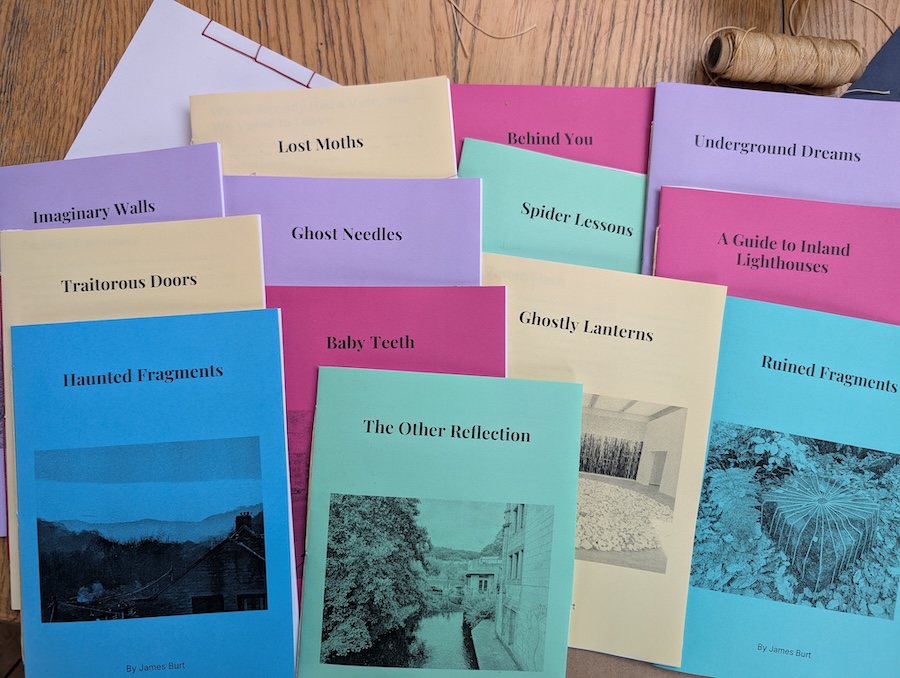
Writing has been slower this month, somewhat ineffective. I did a great practical book-binding session where I practised my stitching skills on some booklets I’d generated – each an edition of one.
I passed my Claude Certified Architect exam at the end of the month. This involved a lot of cramming. I also switched from a paid OpenAI account to a paid Anthropic one, and I’m loving the change in models. Claude turns out to be great for personal stuff. While using an AI for coaching carries some risk, it’s effective. And it does make sense to use a machine for these sorts of reflections rather than inflicting it on people.
Bánh mì
An incredible review of the Odyssey: “an autobiographical film about Nolan regretting wasting a decade of his life making Batman films and his attempt to use those films as a Trojan horse for prestige cinema was mistake he and the film industry are still paying for.”
I met someone who was twice crowned world stinging nettle eating champion
The Mycelium Parish News 2025 edition is now sold out.
My biggest achievement of the month: getting a crying baby to sleep.
I used to be scared about climate change; but then I read Annie Jacobsen’s Nuclear War: A Scenario. Now I think that the world will be lucky to reach four degrees.
Annie Jacobsen’s nuclear war book described what might happen after a ‘bolt-from-the-blue’ nuclear attack (the same scenario as in Kathryn Bigelow’s A House of Dynamite). It’s an interesting mix of non-fiction and fiction. People can quibble about the exact scenario, but the facts are clear: any nuclear attack will be an atrocity.
I’d thought Jacobsen’s latest book would be less horrific. I didn’t expect something easy, but plague seemed less of an existential threat than nuclear annihilation. I was wrong. I had no idea about some of the biological agents that have been produced in laboratories around the world.
There are four bio-safety levels used to classify laboratories. BSL-3 is the sort of lab that works with covid-style pathogens (Jacobsen does not endorse the covid lab-leak theory, but certainly draws attention to it). There are hundreds of BSL-3 labs around the world, some of them engaging in gain-of-function research. Then there are BSL-4 labs, which deal with the worst pathogens, some of them synthetic. Dozens of these exist around the world.
Jacobsen is a great story-teller, and saves an awful twist for the afterword. There are worse scenarios possible than the one she chose for her book. Biological weapons require much less infrastructure than nuclear ones, and technology is bringing them within the reach of individuals.
After a lovely June, July felt like pissing into the wind and I’m glad it’s done. The wheels fell off at the start of the month from a combination of stress, bad food and sickness – and never really got running again. Work commitments also meant cancelling some plans made back in September. There were some lovely high points, but overall it was a drag.
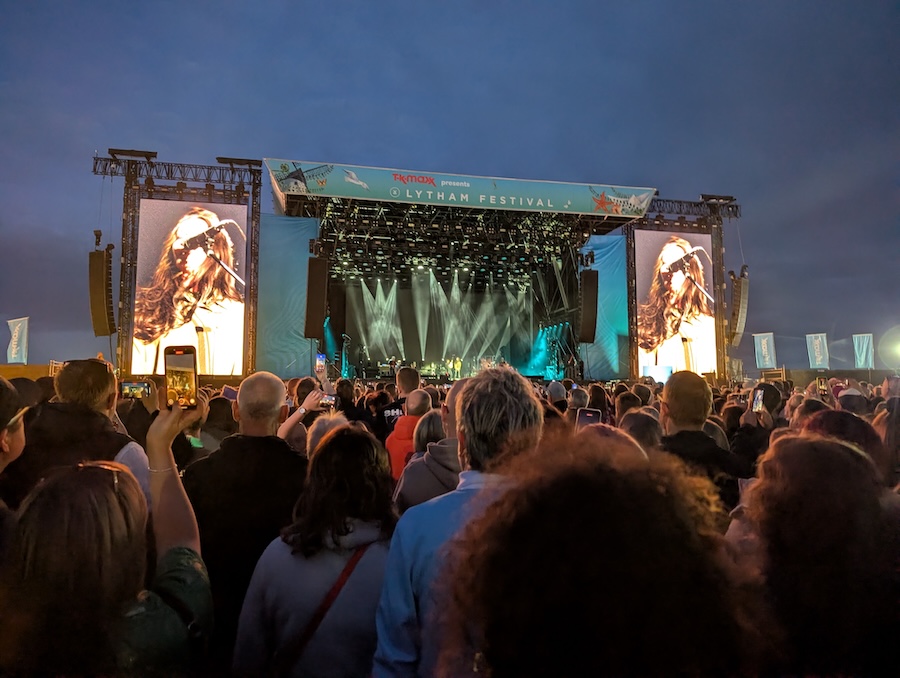
The month started with a trip to the Lytham Festival to see Skunk Anansie and Alanis Morisette. I’ve not been to a lot of gigs since the pandemic, and I was surprised how much I enjoyed it. There was also a fun zine session at In a Land with Caitlin, a hike with some work friends, the office summer gathering, Gina and Lou’s wedding, an engineering summit, and Cleria and Mark’s visit.
Hiking has been all-too-rare this year
Work has, however, squatted toad-like over everything, with a delayed release causing a lot of stress. I also failed to book the holiday to EMF Camp that I’d planned since September. This was a stupid mistake, one I’d not expect from a junior, and it cost me the holiday. Our team have been doing a fantastic job with a complicated release process, but it’s been a slog. I do have a rotation date now – I am going to dearly miss working with our team, but I am excited about a change.
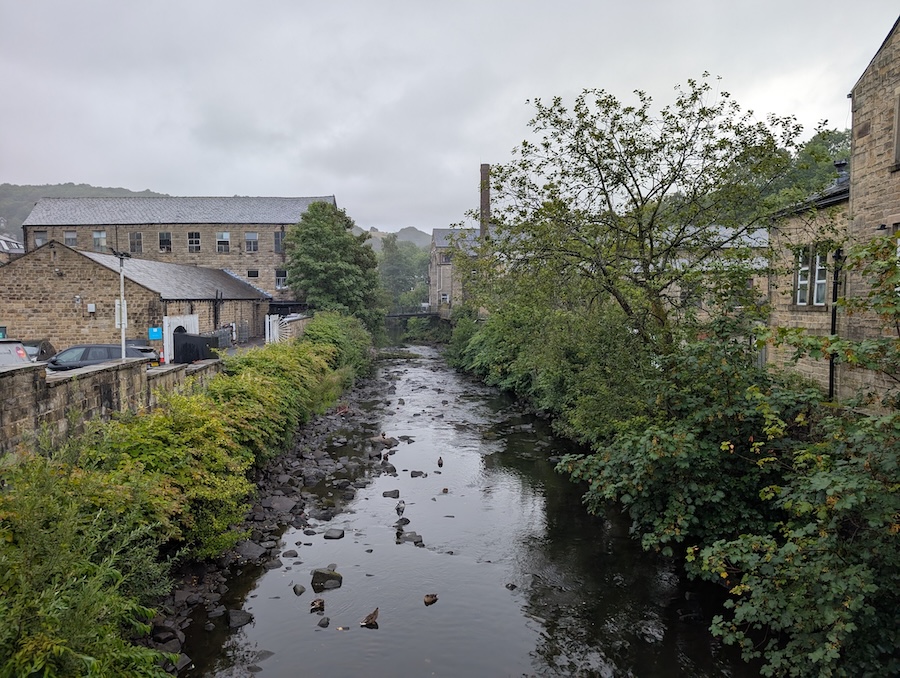
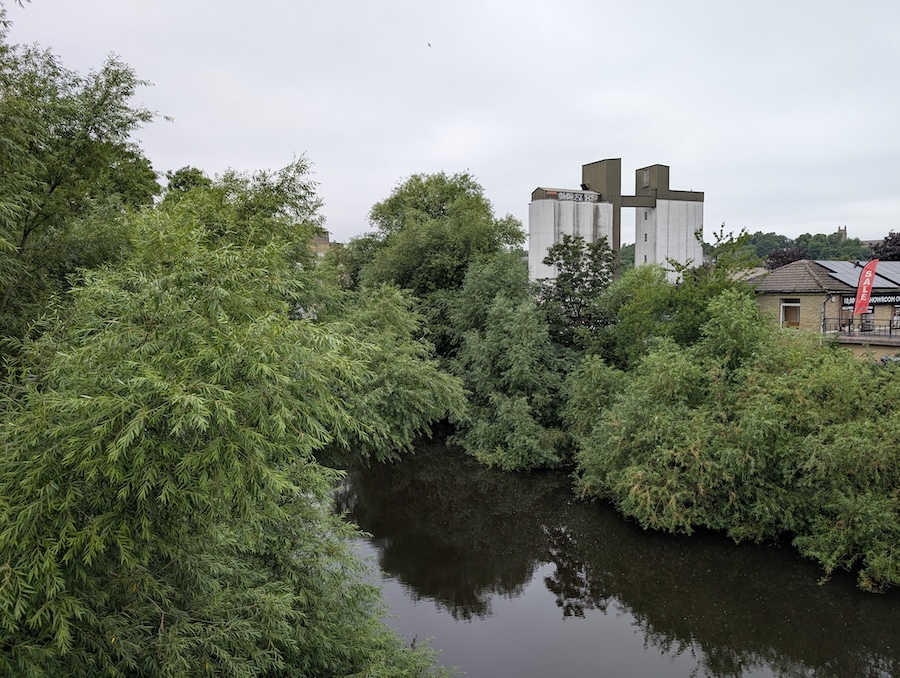
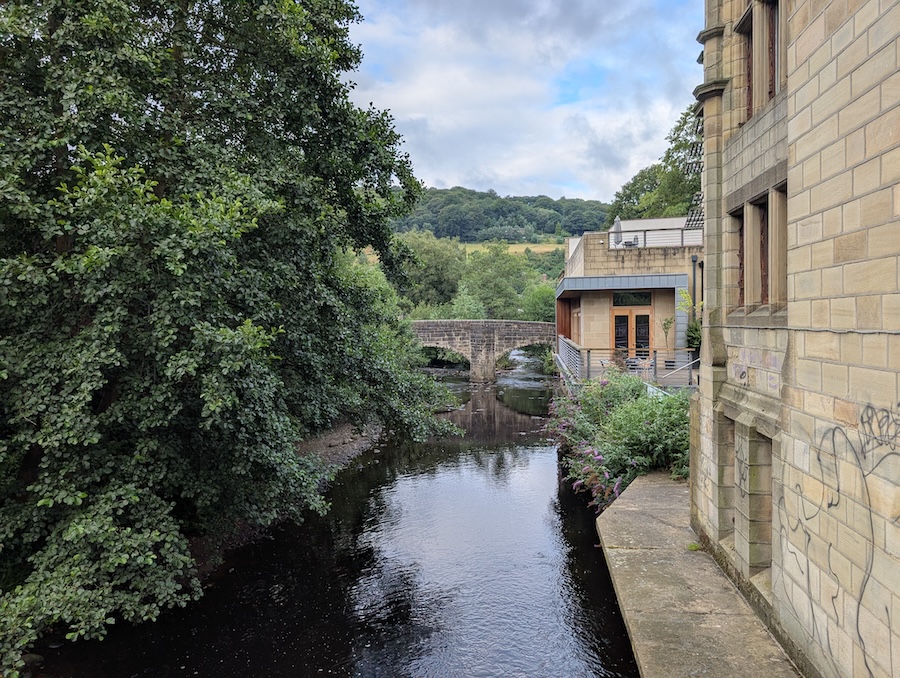
Further along the Calder
The big problem at the moment is that I’m not having enough fun. I’m not very good at type-1 fun (enjoyable in the moment), and end up aiming for type-2 fun (preparation or stress that’s fun to look back on). All my hobbies have deadlines, and I often commit myself to projects I later regret. While I wasn’t very good at drinking, I miss the silliness and spontaneity of those nights out. While fixing this feels a little harder than just ‘have some fun’, I definitely know some things I should stop doing.
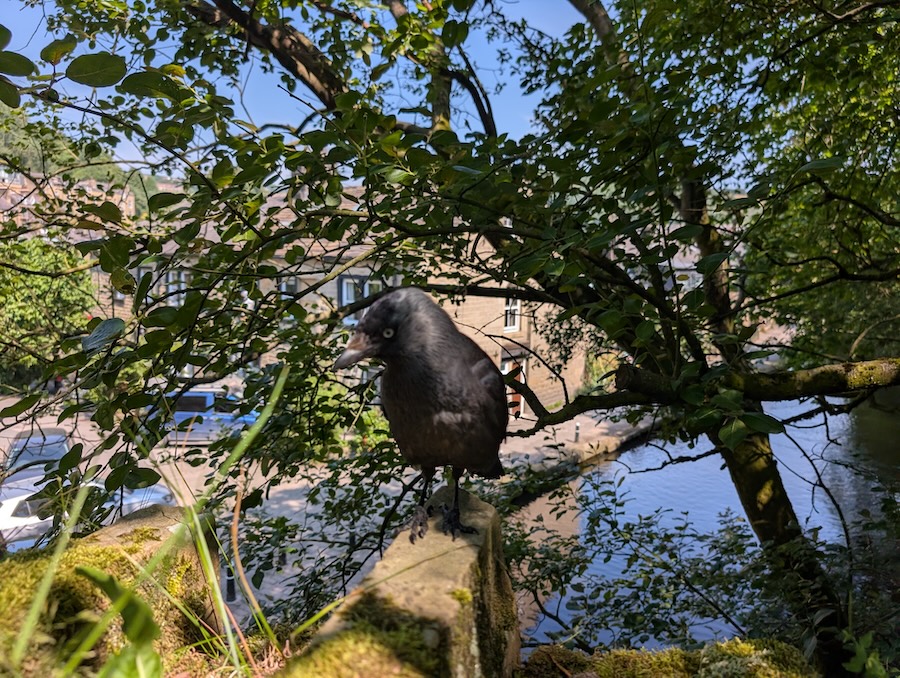
Making friends in town
One of the things that needs to be more fun is the writing. I have started a larger project that I’m enjoying. I’m not sure what anyone else might make of it, but that’s part of why it’s fun. I’ve also been thinking a lot about a John Higgs essay I read about being a writer and, you know, maybe I should lean into that a little more.
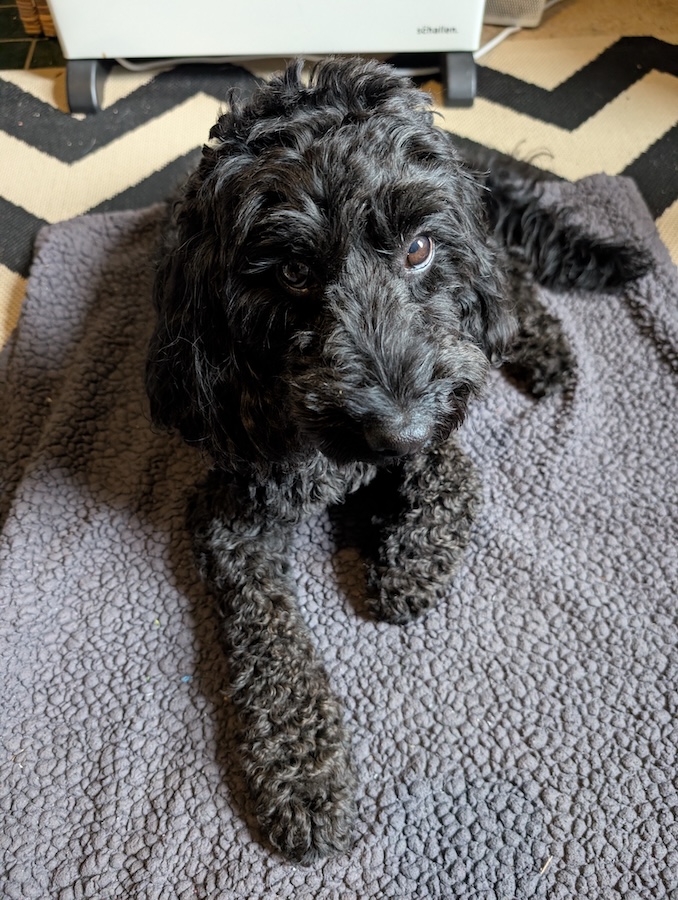
We’ve looked after 4 different dogs this month – Shuggie (pictured), Midge, Bernie and Fern
The month included a lot of cinema trips. The Odyssey was an interesting take on the myth, although I regretted seeing it in an Everyman Cinema. I found the last ten minutes of Undertone so terrifying that for a few minutes I regretted watching it. Evil Dead Burn was unrepentantly nihilistic, and made me question why I was watching something so unpleasant. Rosy and I tried watching Election, but it was so vile that we gave up after 30 minutes. War Dogs was geopolitics as teen comedy, and it left me shocked. I’ve also started a new letterboxd list for Films I’ve Given Up Watching. Entry one: The Amateur.
I read some good books this month. John Higgs’ The Bees are our Friends was a lovely miscellany, which has set me off thinking about a few things. The dystopian book group selected 1956’s savage The Death of Grass. While it displayed some dated attitudes, these were mostly used to attack British post-imperial exceptionalism. Babylon, South Dakota was a recommendation from Talking Scared podcast and very different to what I’d normally read. John Langan’s The Fisherman was a great piece of cosmic horror, despite a nested structure that I didn’t love. Having abandoned Mick Herron’s Clown Town on a first read back in January, I gave it a second try after Warren Ellis described it as having a more interesting resolution. I also finished a couple of dull books from June that I should have abandoned – see what I mean about having fun?
Carlo Rovelli’s slim book on nuclear war, 85 Seconds to Midnight was filled with nightmares. I find it incredible that we could kill most of humanity in a matter of hours and our politicians don’t want to face this. I spend a lot of time thinking about nuclear war, and can’t understand how everyone else doesn’t.
I only started following Charli XCX after the remix album Brat and It’s Completely Different but Also Still Brat, and subsequently liked the Wuthering Heights soundtrack. I’ve fallen in love with the new record Music, Fashion Film. The vocals remind me of George Pringle, and final track No-one Lasts Forever, featuring David Cronenburg, is a masterpiece. I wasn’t expecting a record about making art in the face of our mortality.
A positive note to end on – I signed up for a gym this month. It took a while to get the induction session sorted, but it’s a significant move. I’m also going to increase my daily steps total to 6000. I don’t have the heart for a full 10,000 right now, but maybe once I move to my new work client.
Another downer from July – I have some expensive dental work coming up. I’m questioning whether I can afford to maintain teeth.
On top of everything else, I had food poisoning from some vegan rice at the Alanis Morisette gig. I drove home before it hit but then I was out of action all that next day. I don’t think I’ve ever felt so ill.
This month brought another new prime minister. I’m not expecting much from this one – I don’t think he has big enough ideas and the lack of mandate will bring him down.
Spotify search is terrible – I ended up downloading all my data to find a single earworm.
We have swifts nesting in the eaves. It’s great to see them flying near the house.
This blog is currently a wikipedia citation for the release of Buck 65’s album King of Drums.
We’ve had the chimney fixed, so we’re all set for winter.
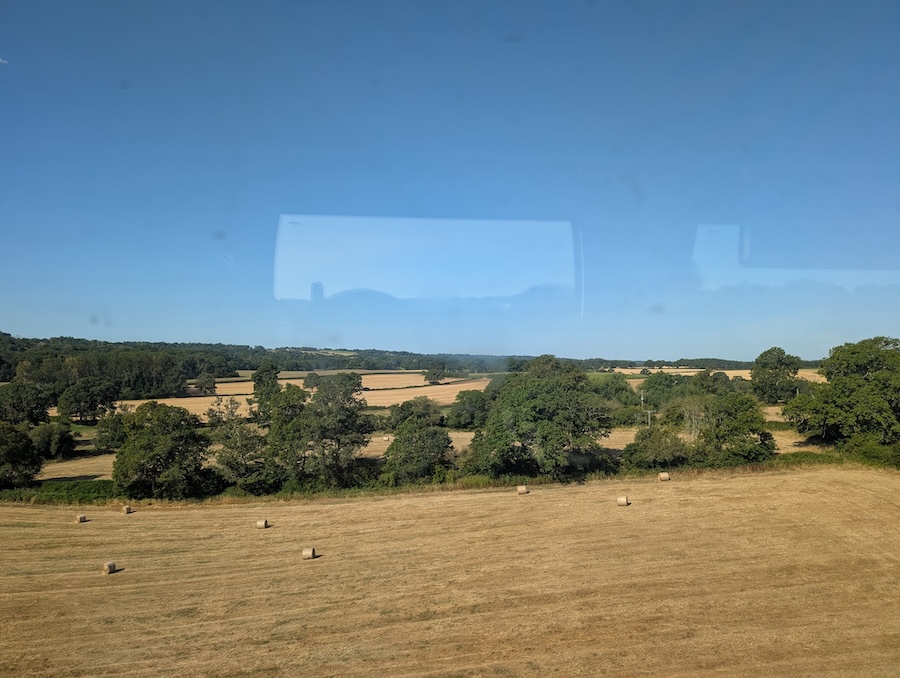
The view from Balcombe viaduct is my favourite in the world
I spent much of June on holiday, my longest break in years, visiting Jake and Scarlett in Wales. The plan was to spend some time helping to renovate an old school into an arts centre. Doing physical tasks day after day took its toll, but I enjoyed the change of work. It was a very good break.
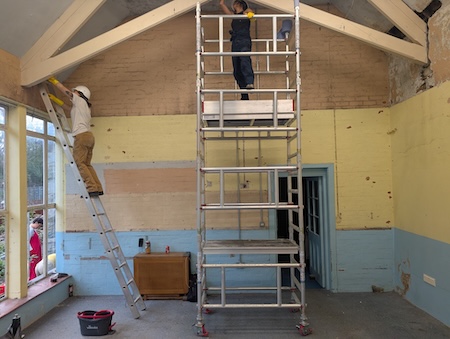
The new arts centre (work-in-progress)
June also included my 50th birthday, celebrated while I was in Wales. It is strange to reach an age that once seemed so remote. The main change is that I’m aware of having less time left. It’s time to get on with the things that actually matter.
Solstice Night
Before going on holiday, I managed to get my weight under control, and then didn’t track it while I was away. I’ve spoken again and again in the last year about needing to focus on getting fit, and crossing the threshold of 50 is a call to action – I can also feel myself growing less flexible. I’ve been in touch with a couple of gyms and will hopefully start training in July.
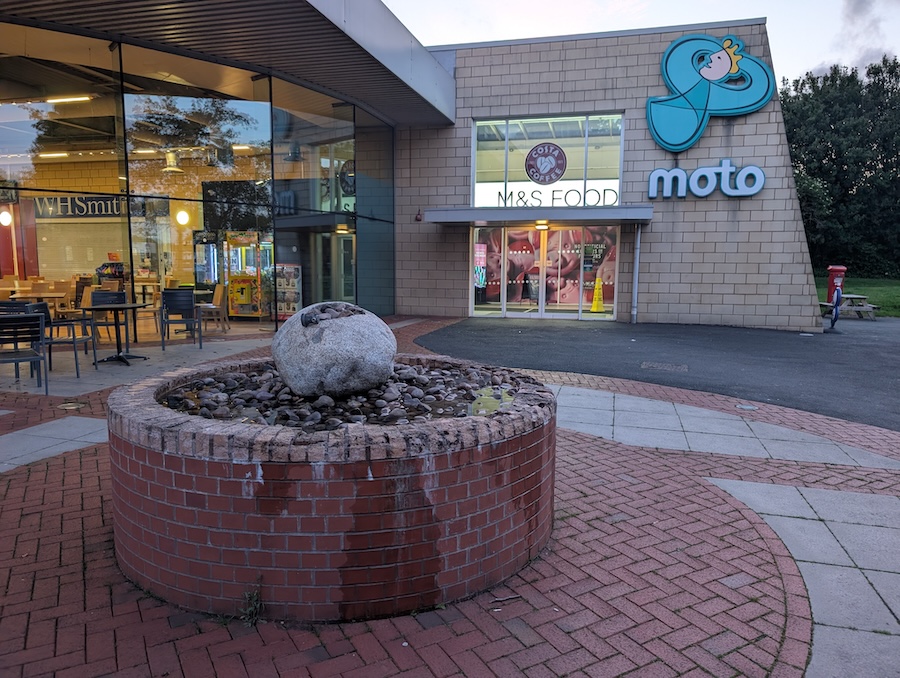
Ritual stones in motorway services
My writing has been slow – the regular story emails continue, but I still struggle to work out what to do next. I want to work on a larger project than regular, unrelated microfictions, but I’m finding it hard to make progress with anything.
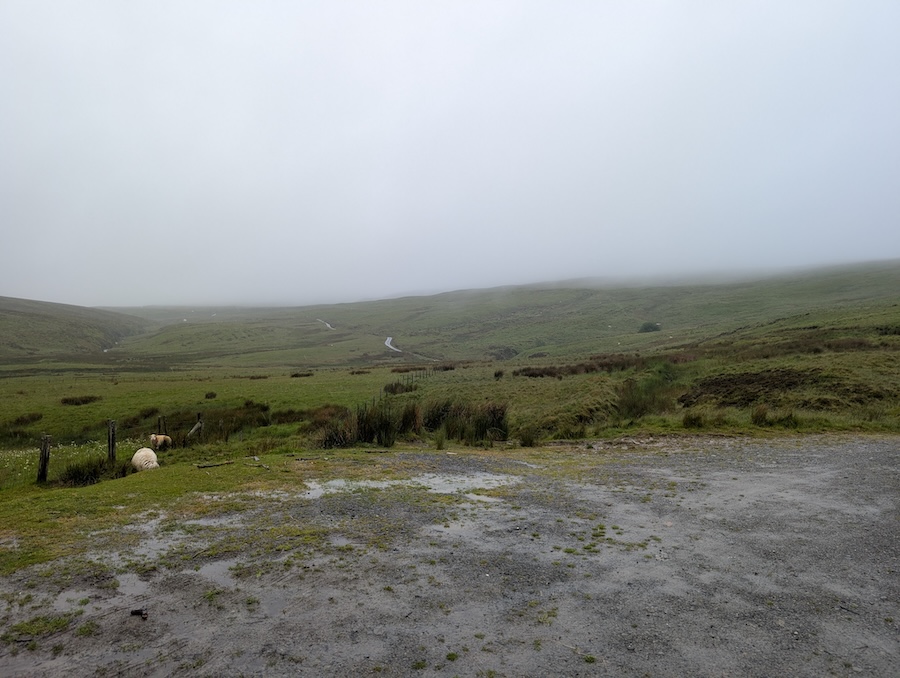
My Satnav suggested this single lane track as an appropriate route. Great scenery, terrible idea
My trip to Wales was my longest holiday in my current job. It was difficult to go away in the late stages of a project, but I think it was important to disengage. I returned feeling fresher, and clear-headed. Before I left, a few people mentioned that I had seemed stressed, so that is something to dial down a little.
This month’s dystopian book club choice was a terrible 600-pager, an apocalyptic military fiction that dragged itself through much of the month. The Haves and Have-Yachts was a compilation of New Yorker articles, none of the others being as good as the excellent title piece. As research, I re-read Charlie and the Chocolate Factory. I also read Wimmy Road Boys, inspired by a Guardian article on the writer. I had to look up a lot of the slang, but it’s a great book, and an exploration of a culture I had little knowledge of.
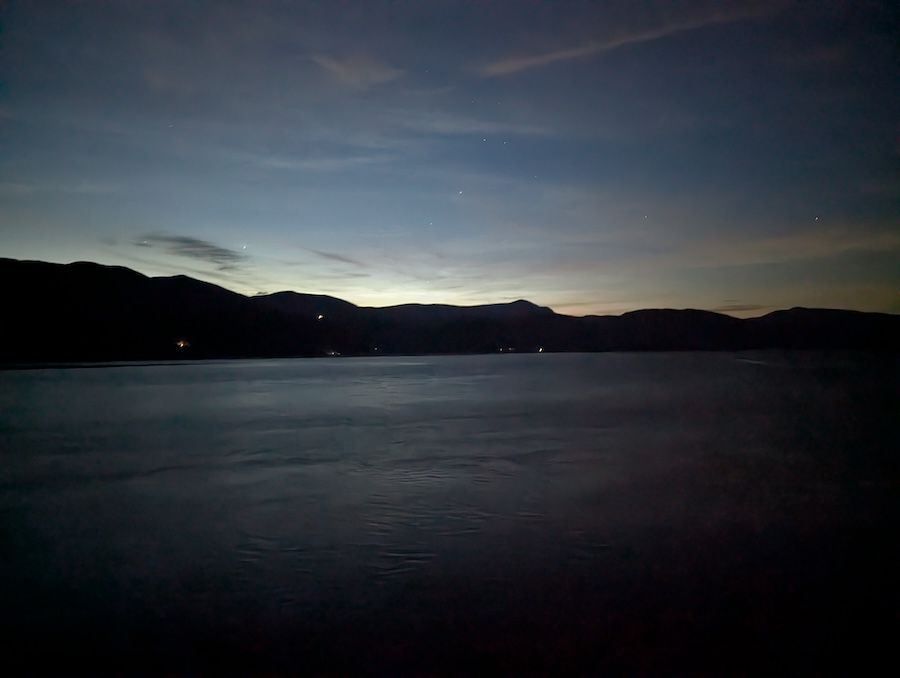
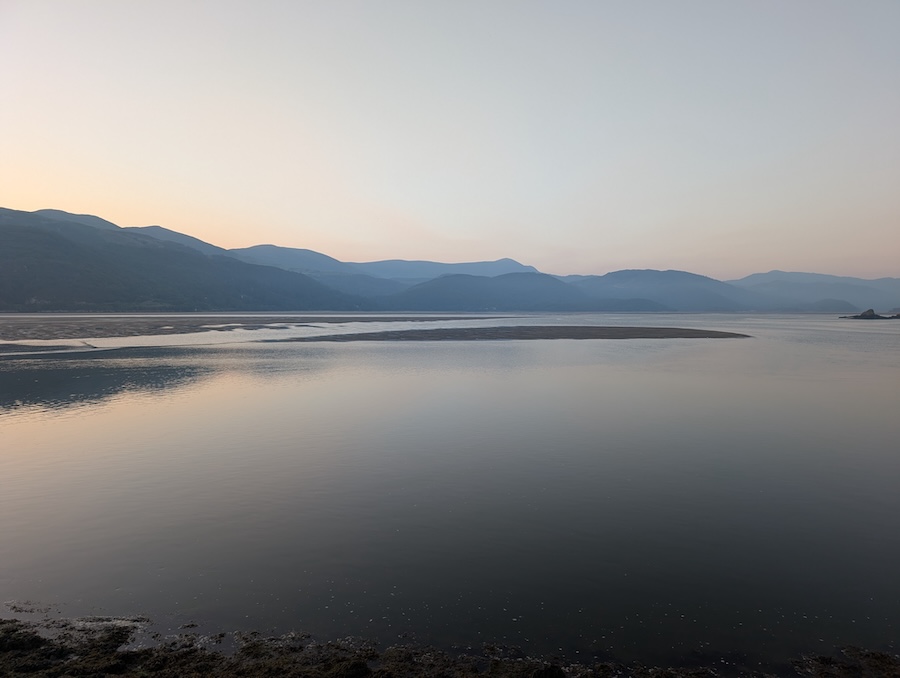
Such beautiful evening light
Only half-a-dozen films this month. I saw Masters of the Universe with Rosy, and it was predictably terrible, even in IMAX. I only caught a few movies in Wales – rewatches of Sinners and Inception, and I finally saw Titanic. I watched all ten episodes of Widow’s Bay across three days at the end of my time off, and that was excellent. I’m also excited about the Legally Blonde prequel, which places Elle as a fish-out-of-water in grunge-era Seattle. It’s an interesting inversion to see the grunge kids as the bad guys and a ‘plastic’ as the hero.
View from Wales to the Wirral
The shortness of this entry belies a wonderful month, spending time in good company, meeting so many inspirational people. Hopefully we will all get a chance to spend time together again in the near future.
Back in 2010, I wrote a blog post, Thinking about Time-Travel, prompted by a question raised on Twitter – ‘What advice would you give to your sixteen year-old Self?’
The advice I wrote then was: “Don’t bother with uni. And take English Lit & History, not Maths and physics for A-Level“. I now see that some even more useful advice would have been to quit boarding school and go to sixth form college. That degenerate and isolated environment was no good for me.
At the end of the post, published when I was thirty-four, I wrote: “Of course, it would be more useful if my fifty year old self could tweet me and give me a heads-up”.
And now I’m fifty years old. The gap between those two times seems both short and long. That’s the nature of time travel.
Thirty-four-year-old me needed a lot of advice. I was unhappy a lot of the time, working a succession of jobs that I hated. I also didn’t appreciate how much fun I was having. But I did the best that I could.
The pandemic changed everything, jolting me out of the ruts I was in. It ended the five-days-a-week office culture, replacing it with something more manageable. There was a block of flats built right outside my window in Brighton, which led me to move somewhere new. Both of these were outside events, but I made good things happen from them.
I left Brighton, moved to a new part of the country, and found a job I love. I still can’t believe I’ve had the same employer for over three years (44 months!). I feel a lot happier living in a small town than I did in the city.
There’s a line in an Arcade Fire song – “If I could have it back, all the time that we wasted, I’d only waste it again”. The last sixteen years had a lot of wasted time, but I’m not convinced things would have worked out so well without it. I’m not the person I wanted to be, but I am a person I’m happy to be.
In terms of advice – maybe I’d say one important fact to my sometimes-struggling 34-year old self, but otherwise it would mostly be reassurance. You’re feeling OK at 50. You’re healthy. You’ve finally found a job you love. You’re living in a new place.
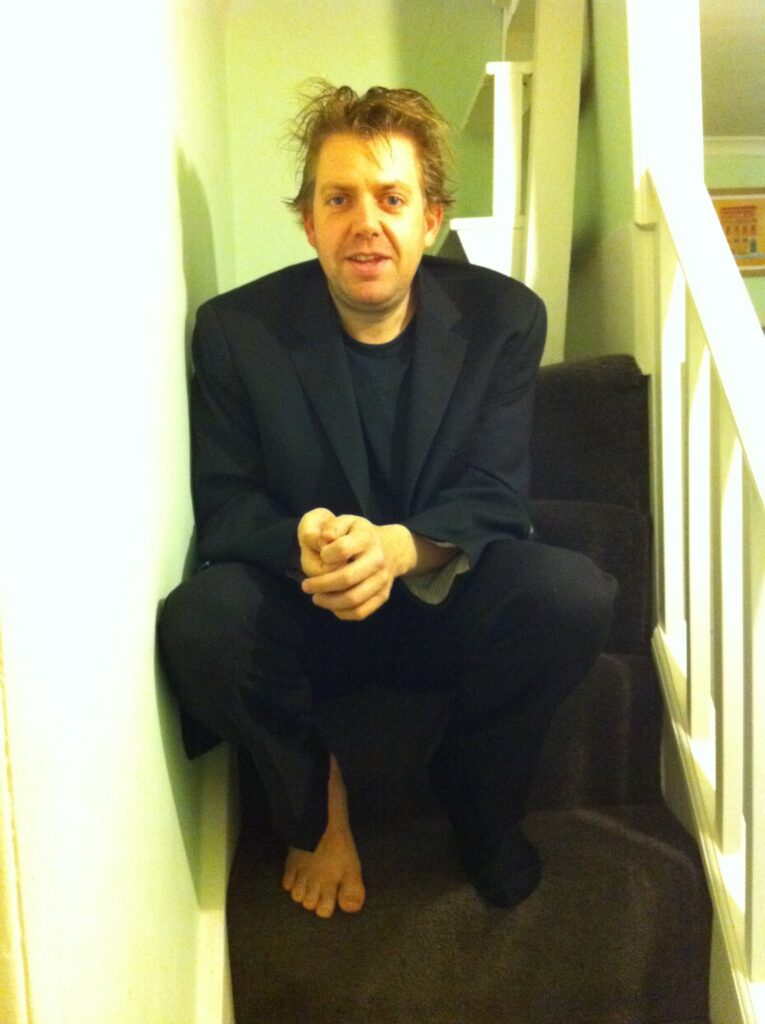
2010
(One of the comments on my previous post asked ‘do you think you’ll be blogging in 20 years time …?’ And I’m only four years from that, so maybe I’ll be posting here again in sixteen years time. If I am still alive then, I will be sixty-six. Still a good age if I’m lucky and I look after myself. There’s a lot of time until sixty-six.)